

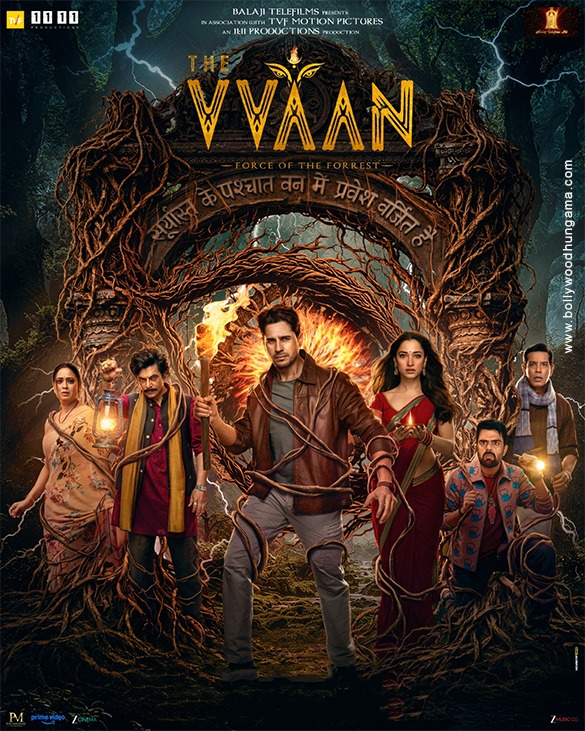
தி வ்வான்: ஃபோர்ஸ் ஆஃப் தி ஃபாரஸ்ட் – திரை விமர்சனம்
பக்தியும் பிரம்மாண்டமும் சேர்ந்தால் மட்டும் நல்ல சினிமா உருவாகிவிடாது!
இயற்கை, கடவுள் நம்பிக்கை, பகுத்தறிவு, பாரம்பரியம், சுற்றுச்சூழல் பாதுகாப்பு என பல விஷயங்களை ஒரே கதைக்குள் இணைத்து ஒரு பிரம்மாண்டமான ஃபேன்டஸி படமாக உருவாக்க முயற்சித்திருக்கிறது ‘தி வ்வான்: ஃபோர்ஸ் ஆஃப் தி ஃபாரஸ்ட்’. ஆனால், திரையில் அந்த முயற்சி முழுமையான சினிமா அனுபவமாக மாறியிருக்கிறதா என்றால், பெரும்பாலான இடங்களில் ஏமாற்றமே மிஞ்சுகிறது.
சித்தார்த் மல்ஹோத்ரா, தமன்னா பாட்டியா, சுனில் குரோவர், மணீஷ் பால் உள்ளிட்ட நட்சத்திரங்கள் நடித்துள்ள இந்தப் படம், ஒரு நாத்திகனின் வாழ்க்கையில் ஏற்படும் ஆன்மிக மாற்றத்தை மையமாகக் கொண்டுள்ளது.
ரிஷி என்ற கதாபாத்திரத்தில் சித்தார்த் மல்ஹோத்ரா நாத்திகராக வருகிறார். கடவுள் நம்பிக்கை, சடங்குகள், மூடநம்பிக்கைகள் ஆகியவற்றில் அவருக்கு நம்பிக்கை இல்லை. அதற்குக் காரணமாக அவரது மனைவி மம்தாவுக்கு கடந்த காலத்தில் ஏற்பட்ட ஒரு துயர சம்பவம் காட்டப்படுகிறது.
குழந்தையில்லாத தம்பதியான ரிஷி மற்றும் மம்தா, IVF சிகிச்சை மூலம் குழந்தை பெற்றுக்கொள்ள முயற்சி செய்கின்றனர். இதற்கிடையே, ரிஷி தனது பூர்வீக கிராமத்துக்குச் செல்ல வேண்டிய சூழ்நிலை ஏற்படுகிறது. அங்கு ஒரு மர்மமான காட்டும், பல தலைமுறைகளாக அந்தக் காட்டைச் சுற்றி நிலவி வரும் நம்பிக்கைகளும் அவரை எதிர்கொள்கின்றன.
இரவு நேரத்தில் காட்டுக்குள் செல்லக்கூடாது என்ற கிராம மக்களின் நம்பிக்கையை ரிஷி ஏற்றுக்கொள்ள மறுக்கிறார். காட்டின் வழியாக சாலை அமைப்பது வளர்ச்சிக்குத் தேவையானது என அவர் கருதுகிறார். மறுபுறம், அந்தக் காடு தெய்வீகமானது என்றும், அங்கு இருக்கும் வனதேவியைத் தொந்தரவு செய்யக்கூடாது என்றும் கிராம மக்கள் நம்புகின்றனர்.
இங்கிருந்துதான் படம் பகுத்தறிவுக்கும் பக்திக்கும் இடையிலான மோதலை உருவாக்க முயற்சிக்கிறது.
ஆனால், இந்த மோதலை ஆழமாகவும் அழுத்தமாகவும் பதிவு செய்ய வேண்டிய திரைக்கதை, பல இடங்களில் மிகவும் மேலோட்டமாகவே நகர்கிறது. நாத்திகனாக இருக்கும் ரிஷி, இறுதியில் கடவுள் நம்பிக்கையாளராக மாறும் பயணம் கதையின் முக்கிய அம்சமாக இருந்தாலும், அந்த மாற்றத்துக்கான காரணங்கள் வலுவாக கட்டமைக்கப்படவில்லை.
ஒரு மனிதனின் நம்பிக்கைகள் எப்படி மாறுகின்றன என்பதை உணர்வுப்பூர்வமாகச் சொல்ல வேண்டிய இடங்களில், படம் நேரடியாக ‘நம்பிக்கை வைத்தால் அற்புதம் நடக்கும்’ என்ற கருத்தை நோக்கிச் செல்கிறது.
இதனால், ரிஷியின் மாற்றம் ஒரு இயல்பான கதாபாத்திரப் பயணமாகத் தெரியாமல், இயக்குநர் சொல்ல விரும்பும் கருத்துக்காக திணிக்கப்பட்ட மாற்றமாகவே தோன்றுகிறது.
படத்தின் மற்றொரு முக்கிய அம்சம் சுற்றுச்சூழல் பாதுகாப்பு.
காட்டை அழித்து சாலை அமைப்பதற்கு எதிராக கிராம மக்கள் நிற்கின்றனர். இதன் மூலம் இயற்கையைப் பாதுகாக்க வேண்டும் என்ற கருத்தை படம் பேச முயற்சிக்கிறது. ஆனால், சுற்றுச்சூழல் பாதுகாப்பு என்ற நவீன கருத்தையும், வனதேவியின் மீதான கிராம மக்களின் மத நம்பிக்கையையும் படம் தெளிவாகப் பிரித்துக் காட்டத் தவறுகிறது.
இதனால் படம் முன்வைக்க முயலும் சமூகக் கருத்து பல இடங்களில் குழப்பமாக மாறுகிறது.
சுனில் குரோவர் நடித்துள்ள தீபக் கதாபாத்திரம் வளர்ச்சிக்கு ஆதரவான நடைமுறை சிந்தனையை முன்வைக்கிறது. அவரது தந்தை மருத்துவ வசதி கிடைக்காமல் உயிரிழந்த சம்பவத்தின் மூலம், சாலை மற்றும் வளர்ச்சியின் அவசியத்தை படம் பதிவு செய்கிறது. ஆனால், அந்தக் கதாபாத்திரத்துக்கும் போதுமான ஆழம் கொடுக்கப்படவில்லை.
படத்தில் நகைச்சுவைக்காக மணீஷ் பால் வரும் காட்சிகளும் எதிர்பார்த்த அளவுக்கு கைகொடுக்கவில்லை. சில காட்சிகள் குழந்தைத்தனமான நகைச்சுவையாகவே கடந்து செல்கின்றன.
கதையின் மிகப்பெரிய பலவீனங்களில் ஒன்று அதன் VFX மற்றும் காட்சியமைப்பு.
பிரம்மாண்டமான காட்டுப் பின்னணி, மர்மமான உயிரினங்கள், வனதேவியின் உலகம் போன்றவற்றை திரையில் பிரமிப்பாகக் காட்ட முயற்சித்திருக்கிறார்கள். ஆனால், பல காட்சிகளில் VFX தரம் அந்த பிரம்மாண்டத்திற்கு ஈடுகொடுக்கவில்லை.
சில அனிமேஷன் காட்சிகள் நேரடி காட்சிகளைக் காட்டிலும் இயல்பாகத் தெரியும் அளவுக்கு நிலைமை செல்கிறது.
காட்டின் மேலிருந்து எடுக்கப்படும் காட்சிகள், மர்மத்தையும் பிரம்மாண்டத்தையும் உருவாக்குவதற்குப் பதிலாக, காட்சியின் செயற்கைத்தன்மையை மேலும் வெளிப்படுத்துகின்றன.
படத்தின் ஒளிப்பதிவு சில இடங்களில் கவனம் ஈர்த்தாலும், தொழில்நுட்ப ரீதியாக உருவாக்கப்பட்டிருக்கும் பிரம்மாண்டம் கதையின் உணர்வோடு ஒன்றிணையவில்லை.
இசையும் பின்னணி இசையும் பக்தி உணர்வை அதிகரிக்க முயற்சி செய்கின்றன. குறிப்பாக ஆக்ஷன் மற்றும் முக்கியமான உணர்ச்சிக் காட்சிகளிலும் பக்திப் பாடல்கள், பிரார்த்தனை சார்ந்த இசை தொடர்ந்து பயன்படுத்தப்படுவது, சில நேரங்களில் காட்சியின் தாக்கத்தைக் குறைக்கிறது.
சித்தார்த் மல்ஹோத்ரா தனது கதாபாத்திரத்துக்குத் தேவையான உடல்மொழியையும் ஆக்ஷன் காட்சிகளையும் சிறப்பாக செய்ய முயற்சித்திருக்கிறார். ஆனால், கதாபாத்திரத்தின் உணர்வுகளை பார்வையாளர்களிடம் முழுமையாகக் கொண்டு செல்லும் அளவுக்கு திரைக்கதை அவருக்கு இடம் கொடுக்கவில்லை.
தமன்னா பாட்டியாவுக்கு கதையில் முக்கியமான இடம் இருந்தாலும், அவரது கதாபாத்திரம் பெரும்பாலும் நாயகனின் மாற்றத்துக்கான காரணியாக மட்டுமே பயன்படுத்தப்பட்டுள்ளது.
சுனில் குரோவர் வழக்கமான நகைச்சுவை பாணியிலிருந்து விலகி வேறுபட்ட கதாபாத்திரத்தைச் செய்ய முயற்சித்திருக்கிறார். ஆனால், அவருடைய கதாபாத்திரமும் முழுமையாகப் பயன்படுத்தப்படவில்லை.
படத்தின் கிளைமாக்ஸ் தான் மிகப்பெரிய கேள்விக்குறியாகிறது.
மரணம், அதிசயம், பக்தி, மறுபிறப்பு போன்ற அம்சங்கள் ஒன்றுக்கொன்று தொடர்புபடுத்தப்படும் விதம், உணர்வுப்பூர்வமான உச்சத்தை ஏற்படுத்துவதற்குப் பதிலாக, படத்தின் நம்பகத்தன்மையை மேலும் சோதிக்கிறது.
ஒரு மனிதன் தனது வாழ்க்கையில் சந்திக்கும் துயரங்களின் வழியாக நம்பிக்கையைத் தேடுவது ஒரு சுவாரஸ்யமான கதை. ஆனால் அந்தப் பயணத்தை நம்ப வைக்கும் வகையில் கதாபாத்திரங்களும் சம்பவங்களும் எழுதப்பட வேண்டும்.
‘தி வ்வான்’ படத்தின் மிகப்பெரிய பிரச்சினை அதுதான்.
படம் சொல்ல நினைக்கும் கருத்து தவறானது என்பதல்ல; அதை சொல்லியிருக்கும் விதம்தான் பலவீனமாக இருக்கிறது.
பகுத்தறிவு மற்றும் பக்தி, வளர்ச்சி மற்றும் இயற்கை, அறிவியல் மற்றும் நம்பிக்கை ஆகியவற்றுக்கு இடையிலான விவாதம் சினிமாவுக்கு மிகவும் சுவாரஸ்யமான களம். ஆனால், அந்த விவாதத்தை பார்வையாளர்களிடம் விட்டுவிடாமல், ஒரு குறிப்பிட்ட முடிவை நோக்கி படம் அவசரமாக நகர்கிறது.
இதனால் சுவாரஸ்யமான கதை உருவாகக்கூடிய வாய்ப்பு இருந்தும், படம் முழுமையான தாக்கத்தை ஏற்படுத்தத் தவறுகிறது.
மொத்தத்தில்
‘தி வ்வான்: ஃபோர்ஸ் ஆஃப் தி ஃபாரஸ்ட்’ ஒரு வித்தியாசமான கதைக்கருவைக் கொண்டிருந்தாலும், பலவீனமான திரைக்கதை, செயற்கையான VFX, அழுத்தமில்லாத கதாபாத்திரங்கள் மற்றும் நேரடியாகத் திணிக்கப்படும் கருத்துகள் காரணமாக எதிர்பார்த்த அளவுக்கு சிறப்பான ஃபேன்டஸி அனுபவத்தை வழங்கவில்லை.
பக்தியை மையமாகக் கொண்ட கதையைச் சொல்லலாம்; ஆனால் பக்தி மட்டும் நல்ல சினிமாவுக்கு போதாது. அதற்கு வலுவான கதை, நம்பகமான கதாபாத்திரங்கள் மற்றும் சிறப்பான காட்சியமைப்பும் தேவை. அந்த மூன்றிலும் ‘தி வ்வான்’ தடுமாறுகிறது.
தீர்ப்பு: பிரம்மாண்டமான முயற்சி… ஆனால் திருப்தியளிக்காத திரைப்பட அனுபவம்.
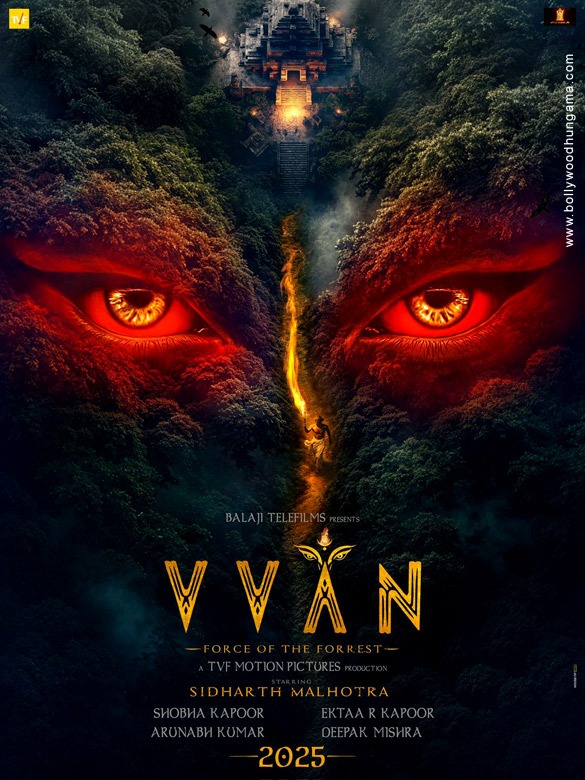
The Vvaan: Force of the Forrest – Movie Review
Faith and grandeur alone cannot make a good film!
The Vvaan: Force of the Forrest attempts to blend fantasy, mythology, faith, rationalism, tradition and environmental concerns into one ambitious cinematic experience. However, despite having an interesting premise and a fairly elaborate setup, the film struggles to translate its ideas into a convincing and engaging narrative.
Starring Sidharth Malhotra, Tamannaah Bhatia, Suniel Grover and Maniesh Paul, the film revolves around the spiritual transformation of a modern-day atheist and his encounter with a mysterious forest surrounded by centuries-old beliefs.
Sidharth Malhotra plays Rishi, an atheist who refuses to believe in God, rituals and traditional practices. His scepticism stems from a painful incident involving his wife Mamta in the past.
Rishi and Mamta are a childless couple hoping to undergo IVF treatment. Their circumstances eventually take them back to Rishi’s ancestral village, where he encounters a mysterious forest and the deeply rooted beliefs of the local community.
The villagers believe that nobody should enter the forest after dark. They also fear that constructing a road through the forest could anger the forest goddess they worship.
This sets up the film’s central conflict between rationalism and faith.
Unfortunately, the screenplay does not explore this conflict with the depth it deserves. Rishi’s transformation from a non-believer into a believer is one of the film’s key elements, but the emotional journey behind this change is not developed convincingly.
Instead of allowing the character’s beliefs to evolve naturally through his experiences, the narrative often appears to push him towards a predetermined conclusion — that faith and miracles are ultimately more powerful than rational thought.
The environmental angle is another interesting idea that the film attempts to explore.
The villagers oppose the destruction of the forest and the proposed road project. Through this conflict, the film tries to raise questions about development and the protection of nature. However, the screenplay does not clearly distinguish between environmental conservation and the villagers’ religious beliefs surrounding the forest.
As a result, the social commentary remains somewhat confused and underdeveloped.
Suniel Grover plays Deepak, a pragmatic local who supports development. His character has a personal reason for believing that better roads and access to medical facilities are necessary, as his father reportedly died after being unable to reach a hospital in time.
It is an interesting character idea, but the screenplay does not give him enough depth.
Maniesh Paul provides the comic relief, but several of his scenes rely on predictable and juvenile humour. The comedy rarely blends naturally with the film’s supernatural and dramatic elements.
One of the film’s major weaknesses is its visual effects and overall execution.
The filmmakers clearly aim for a grand fantasy world filled with mysterious forests, supernatural elements and divine mythology. However, the VFX often fails to match the scale of the story.
Some of the animated sequences appear more convincing than certain live-action portions of the film. Instead of enhancing the mystery of the forest, some of the visual effects draw attention to their artificiality.
The cinematography has its moments, particularly in the large-scale forest sequences, but the visual grandeur does not always complement the emotional core of the story.
The background score and music attempt to strengthen the devotional atmosphere. However, the frequent use of devotional music and prayer-like sequences during emotionally intense and action-driven moments sometimes feels excessive rather than impactful.
Sidharth Malhotra puts in a sincere effort, particularly in the action sequences and physical aspects of the role. However, the screenplay does not provide enough emotional depth for him to fully connect with the audience.
Tamannaah Bhatia’s character is important to the central narrative, but she is largely used as a catalyst for the protagonist’s transformation rather than being given an equally developed journey of her own.
Suniel Grover attempts to move away from his familiar comic persona, but his character is also not explored to its full potential.
The climax is perhaps where the film faces its biggest challenge.
Death, miracles, faith and supernatural elements are brought together in an attempt to create an emotional high point. However, the execution makes the sequence difficult to fully accept rather than delivering the intended emotional impact.
The basic idea of a person rediscovering faith after going through personal tragedy is certainly capable of making for an engaging story. But such a transformation needs to be supported by strong character development and believable emotional progression.
That is where The Vvaan falls short.
The issue is not necessarily with the film’s message, but with the way that message is delivered.
The conflict between rationalism and faith, development and nature, science and belief offers plenty of scope for an intriguing fantasy drama. Unfortunately, the film does not leave enough room for the audience to engage with these ideas independently and instead moves rather directly towards its intended conclusion.
As a result, a promising premise fails to develop into the compelling fantasy experience it could have been.
Verdict
The Vvaan: Force of the Forrest has an interesting concept and ambitious scale, but a weak screenplay, uneven VFX, underdeveloped characters and an overly direct treatment of its central themes prevent it from making the desired impact.
A story about faith can certainly work on screen, but faith alone cannot make great cinema. It needs a strong narrative, believable characters and effective visual storytelling. Unfortunately, The Vvaan struggles on all three fronts.
Rating: 2/5
Verdict: An ambitious attempt at a grand fantasy — but an underwhelming cinematic experience.