

கூத்துக் கலைஞர்களின் துயரத்தை அல்ல; கலையைக் கொண்டாடும் ‘ஊர் கூடும் இரவு’!
தெருக்கூத்தின் அழகையும் கலைஞர்களின் அர்ப்பணிப்பையும் பதிவு செய்த ரம்யா ஸ்ரீராமின் ஆவணப்படம்
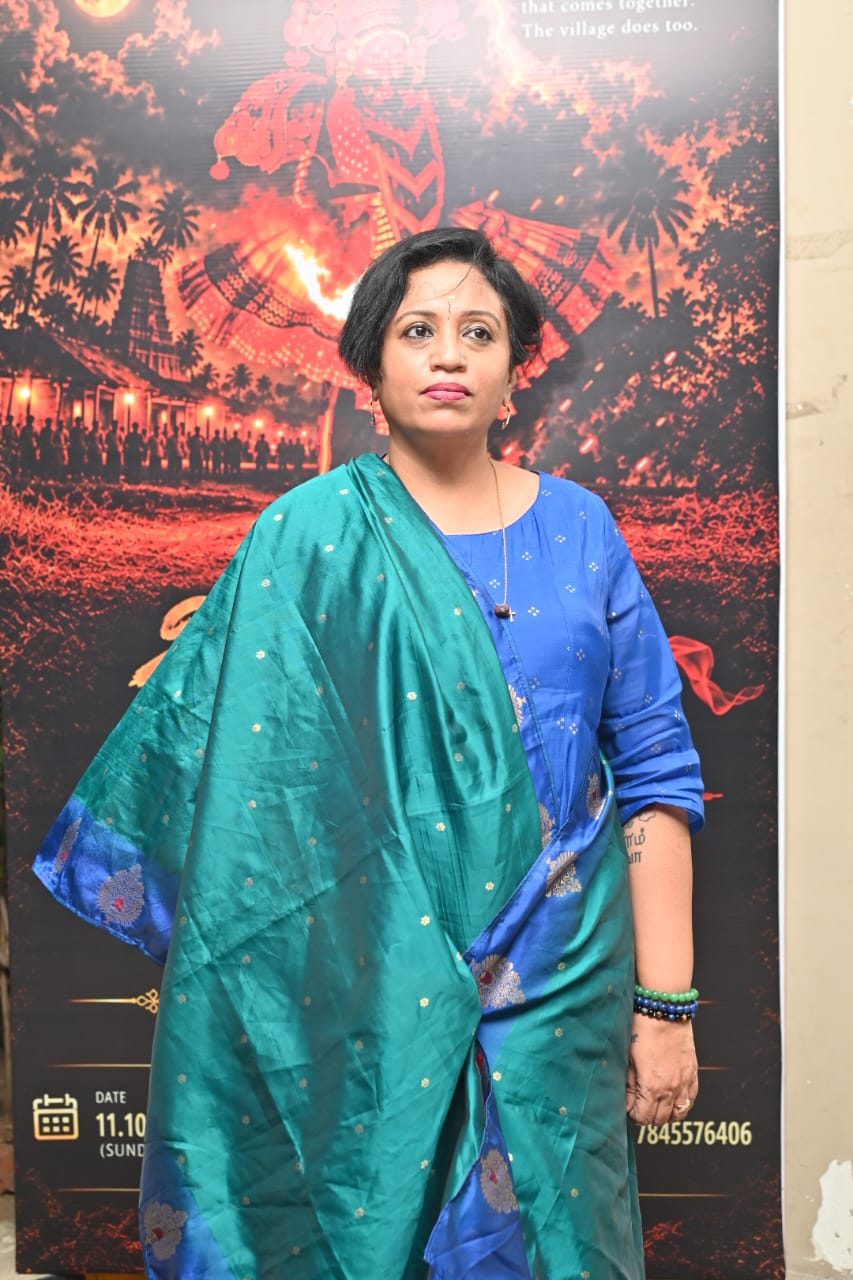
சென்னை: தெருக்கூத்துக் கலைஞர்களின் வாழ்வியலை அவர்களின் துயரங்களின் வழியாக மட்டும் அணுகாமல், அவர்களின் கலைத்திறனையும் அர்ப்பணிப்பையும் கொண்டாட்ட உணர்வோடு பதிவு செய்திருக்கிறது புகைப்படக் கலைஞரும் ஆவணப்பட இயக்குநருமான ரம்யா ஸ்ரீராம் இயக்கியுள்ள ‘ஊர் கூடும் இரவு’ ஆவணப்படம்.
இந்த ஆவணப்படத்தின் அறிமுக விழா அண்மையில் சென்னையில் உள்ள பிரசாத் லேபில் நடைபெற்றது.
சென்னையைச் சேர்ந்த ரம்யா ஸ்ரீராம், பாரம்பரியக் கலைகள், சடங்குகள், திருவிழாக்கள், மக்களின் நம்பிக்கைகள் ஆகியவற்றைப் புகைப்படங்கள் வழியாக ஆவணப்படுத்தி வருபவர். கேரளத்தின் கண்ணூரில் எடுக்கப்பட்ட இவரது தெய்யம் புகைப்படம், நேஷனல் ஜியோகிராபிக் காலண்டரில் இடம்பெற்றுப் பரவலான கவனத்தைப் பெற்றது. மயானக் கொள்ளை, குலசை தசரா, வாரணாசியின் மாசான் ஹோலி, புஷ்கர் ஒட்டகத் திருவிழா, மகா கும்பமேளா உள்ளிட்ட பல்வேறு நிகழ்வுகளையும் தனது கேமரா வழியாகப் பதிவு செய்துள்ளார்.
அந்த வரிசையில், தமிழர்களின் பாரம்பரியக் கலை வடிவங்களில் ஒன்றான தெருக்கூத்தையும், அதில் ஈடுபடும் கலைஞர்களின் கலைவாழ்வையும் ஆவணப்படுத்தும் முயற்சியாக ‘ஊர் கூடும் இரவு’ உருவாகியுள்ளது.
ஊரே உறங்கும் இரவில் ஒரு கலை விழித்துக் கொள்கிறது. கூத்து தொடங்கும்போது கதை மட்டுமல்ல, மக்களும் ஒன்றுகூடுகிறார்கள். இரவின் இருளில் இசையும் ஆட்டமும் கதையும் இணைந்து ஊரின் பண்பாட்டு அடையாளத்தை உயிர்ப்பிக்கின்றன. இத்தகைய அனுபவத்தைத் திரையில் கொண்டுவரும் முயற்சியாக இந்த ஆவணப்படம் அமைந்துள்ளது.
மறைந்து வரும் மரபை நினைவூட்டும் முயற்சி
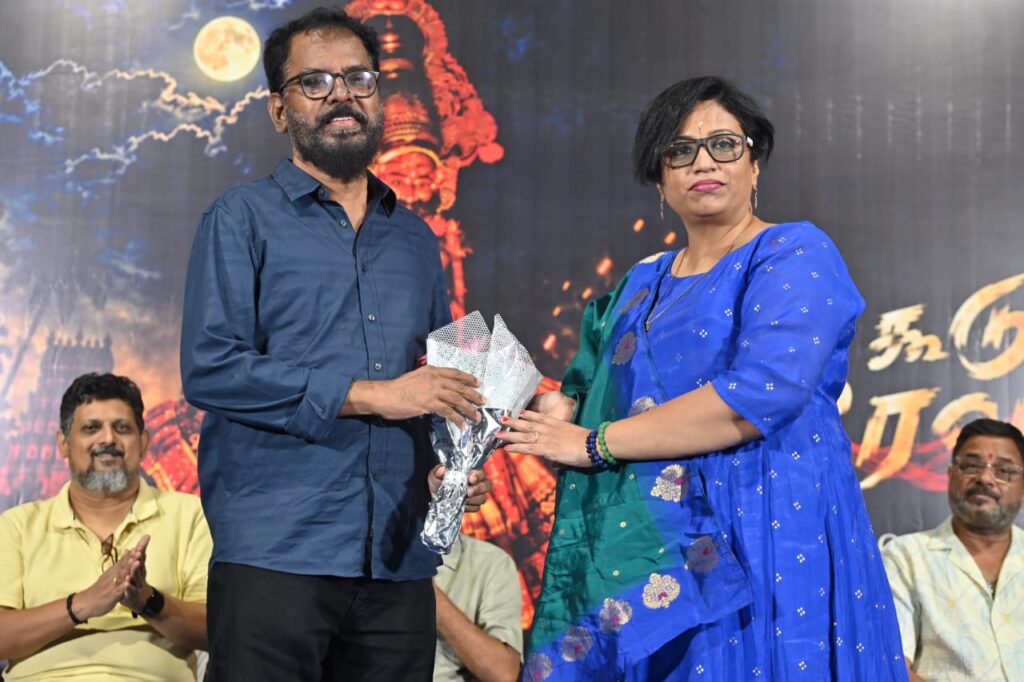
விழாவில் சிறப்பு விருந்தினராகப் பங்கேற்ற மூத்த ஒளிப்பதிவாளரும் தென்னிந்திய ஒளிப்பதிவாளர் சங்கத் தலைவருமான கார்த்திக் ராஜா பேசுகையில், தனது சிறுவயதில் தெருக்கூத்துகளைப் பார்த்து மகிழ்ந்த அனுபவங்களை நினைவுகூர்ந்தார்.
விவசாயப் பணிகளில் களைத்த மக்கள், திருவிழாக்களின் வழியாக ஒன்றுகூடி மகிழ்ந்த காலத்தில் தெருக்கூத்து முக்கியப் பங்கு வகித்ததாகக் குறிப்பிட்ட அவர், ராமாயணம், மகாபாரதம் போன்ற இதிகாசக் கதைகள் வழியாக மக்களிடம் கருத்துகளையும் பண்பாட்டு விழுமியங்களையும் கொண்டு சேர்த்த கலை இது என்றார்.
டிஜிட்டல் உலகில் பொழுதுபோக்கு வடிவங்கள் வேகமாக மாறிவரும் சூழலில், அடுத்த தலைமுறைக்கு இத்தகைய கலைகளை அறிமுகப்படுத்த வேண்டிய அவசியம் இருப்பதாகவும், ரம்யா ஸ்ரீராமின் ஆவணப்படம் அந்த வகையில் பாராட்டுக்குரிய முயற்சி என்றும் தெரிவித்தார்.
துயரத்தைத் தாண்டி, கலையைக் கொண்டாடும் பார்வை
ஒளிப்பதிவாளர் சி.ஜே. ராஜ்குமார் பேசுகையில், பொதுவாக மரபுக் கலைகளைப் பற்றிய ஆவணப்படங்கள் அவற்றுடன் தொடர்புடைய வறுமை, வாழ்வாதாரச் சிக்கல்கள் போன்றவற்றை முன்னிலைப்படுத்துவது வழக்கம் என்றார்.
ஆனால், ‘ஊர் கூடும் இரவு’ அந்த வழக்கமான அணுகுமுறையிலிருந்து விலகி, கலைஞர்களின் திறமையையும் அவர்கள் தங்கள் கலையோடு கொண்டிருக்கும் உறவையும் கொண்டாடும் வகையில் உருவாகியிருப்பது சிறப்பு எனக் குறிப்பிட்டார்.
கலைஞர்களைத் தன்னம்பிக்கையுடனும் தன்னிறைவுடனும் வாழும் கலை ஆளுமைகளாகப் பதிவு செய்திருப்பது முக்கியமான அம்சம் என்றும், ஒளிப்பதிவாளர் அருண் சுரேஷின் காட்சியமைப்பும் இசை உள்ளிட்ட தொழில்நுட்பப் பங்களிப்புகளும் படத்துக்கு வலுசேர்த்திருப்பதாகவும் பாராட்டினார். இந்த ஆவணப்படத்துக்குப் பல்வேறு விருதுகள் கிடைப்பதற்கான வாய்ப்புகள் இருப்பதாகவும் நம்பிக்கை தெரிவித்தார்.
திரையில் உயிர்ப்பெறும் தெருக்கூத்தின் பிரம்மாண்டம்
இயக்குநரும் கவிஞருமான பிருந்தா சாரதி பேசுகையில், ஓர் ஆவணப்படத்தை உருவாக்குவதற்குப் பின்னால் இருக்கும் ஆய்வு, திட்டமிடல், திரைக்கதை அமைப்பு போன்றவற்றின் முக்கியத்துவத்தைத் தாம் அனுபவபூர்வமாக உணர்ந்திருப்பதாகக் குறிப்பிட்டார்.
‘ஊர் கூடும் இரவு’ படத்தில் இடம்பெறும் காட்சிகள் வியப்பூட்டுவதாக இருப்பதாகக் கூறிய அவர், காட்டுக்குள் தீப்பந்தங்களுடன் கலைஞர்கள் ஓடும் காட்சிகளும், துரியோதனன் கதாபாத்திரத்தின் ஆவேசமான தோற்றமும் தெருக்கூத்தின் நாடகத் தன்மையையும் அதன் தாக்கத்தையும் சிறப்பாக வெளிப்படுத்துவதாகப் பாராட்டினார்.
திரைப்படங்களில் பல்வேறு கலைஞர்களின் பங்களிப்புடன் உருவாகும் ஒப்பனை, உடை உள்ளிட்ட அம்சங்களைத் தெருக்கூத்துக் கலைஞர்கள் தாங்களே மேற்கொள்வது அவர்களின் பன்முகத் திறனை வெளிப்படுத்துவதாகவும் தெரிவித்தார். கோயில், காடு உள்ளிட்ட இடங்களில் படமாக்கப்பட்ட காட்சிகள், கலைஞர்களின் சுழன்றாடும் நடன அசைவுகள் ஆகியவை ஆவணப்படத்துக்கு தனித்துவத்தை அளிப்பதாகவும் குறிப்பிட்டார்.
ரம்யா ஸ்ரீராமின் புகைப்படக் கலை அனுபவம் படத்தின் காட்சியமைப்பில் வெளிப்படுவதாகப் பாராட்டிய அவர், இந்த ஆவணப்படம் தெருக்கூத்துக் கலையின் வளர்ச்சிக்கும் கலைஞர்களின் அங்கீகாரத்துக்கும் உதவும் என்ற நம்பிக்கையையும் வெளிப்படுத்தினார்.
‘நினைத்ததை இசையாகக் கொடுத்தார்!’
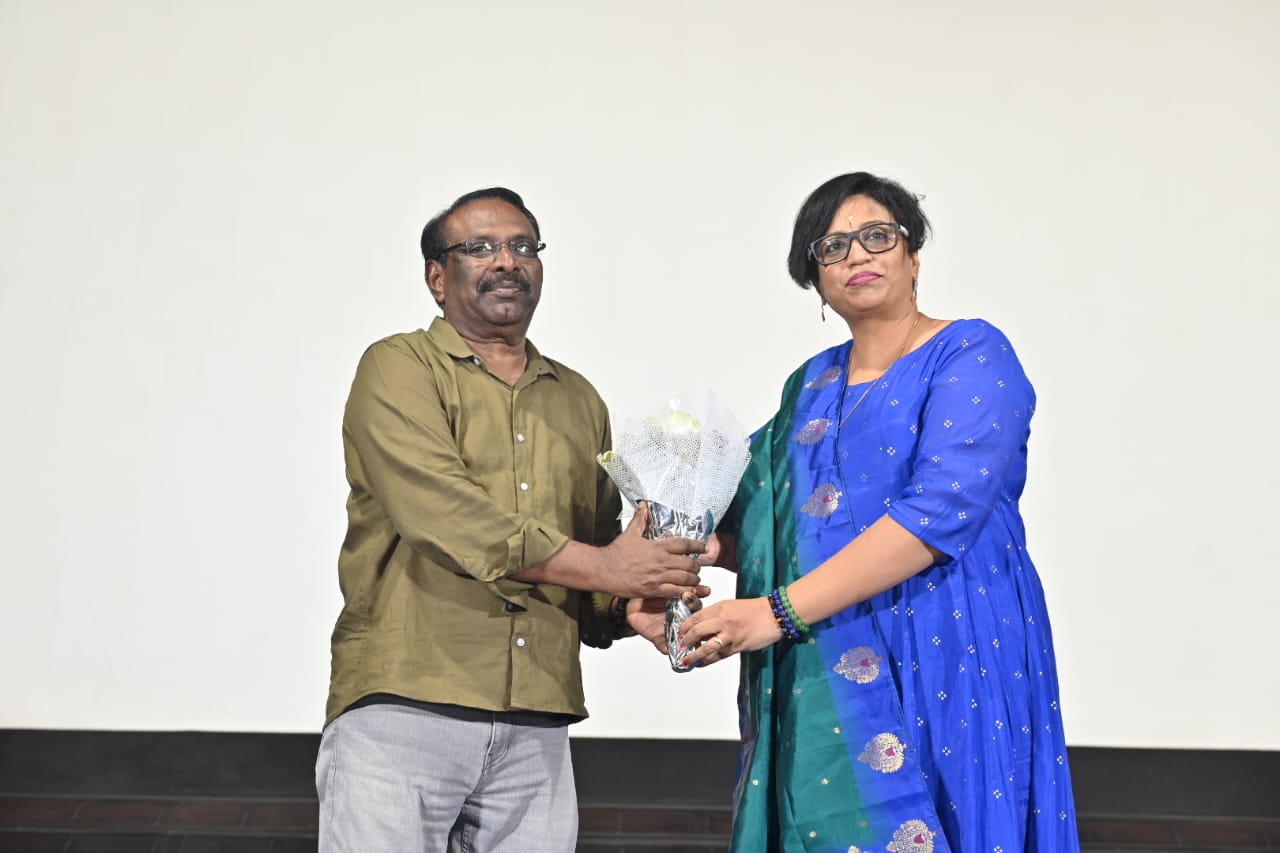
ஆவணப்படத்தின் இயக்குநர் ரம்யா ஸ்ரீராம் பேசுகையில், படப்பிடிப்பின்போது பல்வேறு சிரமங்களை எதிர்கொண்டதாகக் குறிப்பிட்டார். இரவு நேரங்களில் வயல்வெளிகளில் போதிய வெளிச்சமின்றிப் படமாக்கியது முதல், ஆயிரம் ஆண்டுகளுக்கும் மேலான பழைமை கொண்ட கோயில்களில் காட்சிகளைப் பதிவு செய்தது வரை பல அனுபவங்கள் இந்தப் படத்தின் உருவாக்கத்தில் இடம்பெற்றதாகத் தெரிவித்தார்.
தனது எண்ணத்துக்கு ஏற்ப இசையமைப்பாளர் யானி பின்னணி இசையை உருவாக்கிய விதம் மகிழ்ச்சியளித்ததாகக் கூறிய அவர், ஒளிப்பதிவாளர் அருண் சுரேஷ், படத்தொகுப்பாளர் செல்வ பாண்டி, இசையமைப்பாளர் யானி உள்ளிட்ட படக்குழுவினரின் ஒத்துழைப்புக்கு நன்றி தெரிவித்தார்.
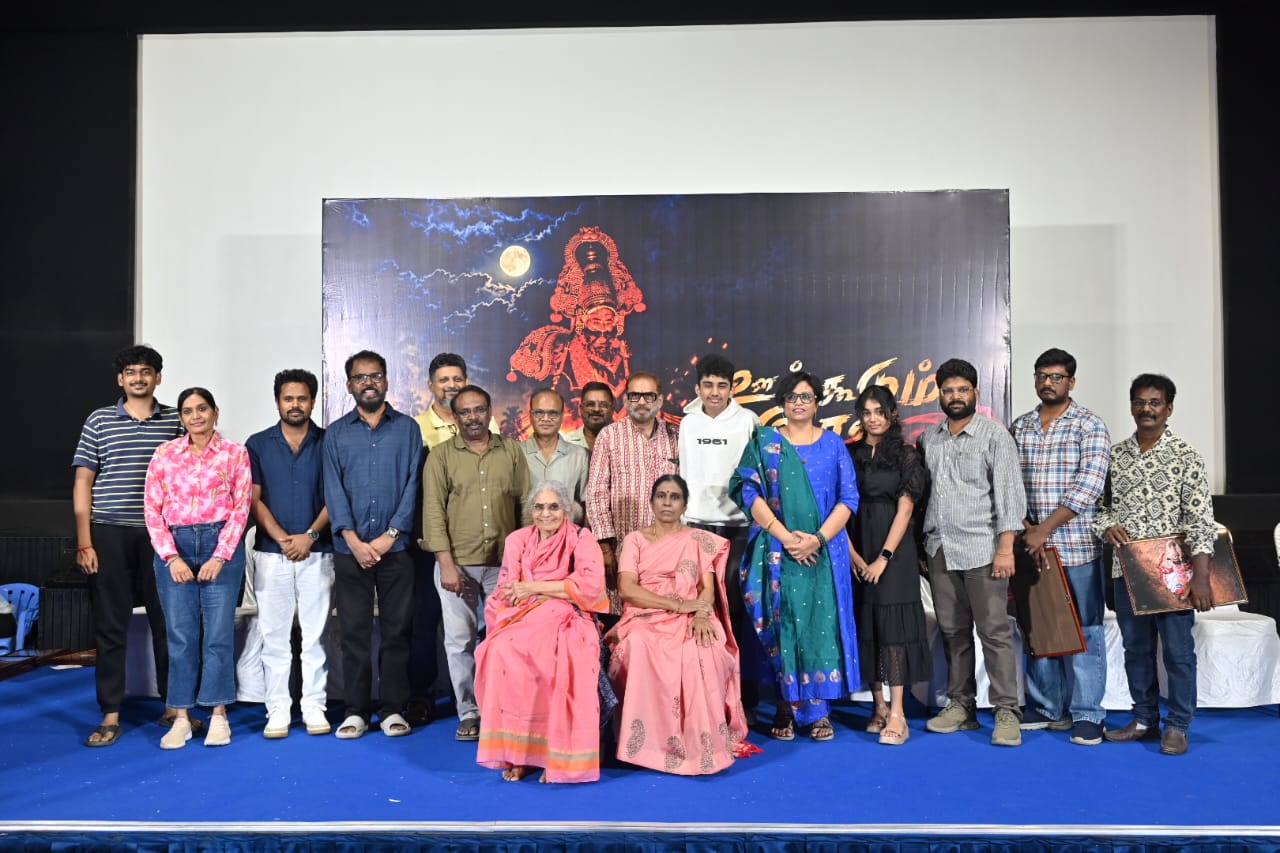
விழாவில் ஒளிப்பதிவாளர் அருண் சுரேஷ், படத்தொகுப்பாளர் செல்வ பாண்டி, இசையமைப்பாளர் யானி, நடன இயக்குநர் எஸ்.எல். பாலாஜி, புகைப்படக் கலை நிபுணர் ஆர். பிரசன்ன வெங்கடேஷ், சுகமுருகன் உள்ளிட்டோர் கலந்துகொண்டனர்.
தெருக்கூத்தை ஒரு பழைமையான நிகழ்த்துக் கலையாக மட்டும் பார்க்காமல், இன்றும் உயிர்ப்புடன் இயங்கும் கலை மரபாகவும், மக்களை ஒன்றிணைக்கும் பண்பாட்டு அனுபவமாகவும் அணுகுகிறது ‘ஊர் கூடும் இரவு’. கலைஞர்களின் வாழ்க்கையைப் பேசுவதோடு நின்றுவிடாமல், அவர்கள் நிகழ்த்தும் கலையின் அழகையும் ஆற்றலையும் கொண்டாடும் இந்த முயற்சி, தெருக்கூத்துக்கு புதிய பார்வையாளர்களை அறிமுகப்படுத்தும் ஒரு முக்கியமான ஆவணமாக அமையும் என எதிர்பார்க்கப்படுகிறது.
‘Oor Koodum Iravu’: A Documentary That Celebrates Therukoothu Artists Rather Than Dwelling on Their Struggles
Directed by photographer Ramya Sriram, the documentary captures the vibrant artistry, dedication and cultural significance of Tamil Nadu’s traditional street theatre.
CHENNAI: Instead of portraying traditional folk artists solely through the lens of hardship and struggle, Oor Koodum Iravu (The Night the Village Gathers), a documentary directed by photographer and filmmaker Ramya Sriram, celebrates their artistic excellence, commitment and the enduring spirit of Therukoothu, Tamil Nadu’s traditional street theatre.
The documentary was recently introduced at an event held at Prasad Lab in Chennai, attended by prominent personalities from the film and cultural industries.
From ritual photography to documenting living traditions
Based in Chennai, Ramya Sriram is a photographer with a keen interest in documenting traditional art forms, rituals, festivals and cultural practices. Her work explores the relationship between people, their beliefs and the traditions that shape their lives.
A photograph of Theyyam, taken at a temple in Kannur, Kerala, earned her international recognition after being featured in a National Geographic calendar. She has also documented several distinctive cultural and ritual events, including Mayana Kollai and Kulasekarapattinam Dasara in Tamil Nadu, Masaan Holi in Varanasi, the Pushkar Camel Fair and the Maha Kumbh Mela.
Through her photographs, Ramya has consistently sought to capture not merely the spectacle of these events but also the cultural identities and human connections that sustain them.
With Oor Koodum Iravu, she turns her lens towards Therukoothu and the artists who keep this centuries-old theatrical tradition alive.
When the village sleeps, an art form awakens. And when a Therukoothu performance begins, it is not just a story that unfolds; an entire village comes together. Music, movement, dramatic storytelling and vibrant costumes transform the night into a shared cultural experience.
It is this collective spirit and artistic energy that the documentary seeks to preserve.
Karthik Raja: “We must bring this art form to the younger generation”
Veteran cinematographer Karthik Raja, president of the South Indian Cinematographers Association, attended the event as the chief guest.
Recalling his childhood experiences of watching Therukoothu, he spoke about the role the art form once played in rural communities.
“In our childhood, we watched and enjoyed Therukoothu performances. I am not sure whether children today will have the same opportunity. In agricultural villages, people would work hard throughout the day and come together for festivals. These celebrations featured music, dance and performances like Therukoothu,” he said.
He noted that these performances often drew upon epics such as the Ramayana and the Mahabharata, conveying ideas and values through traditional storytelling.
“In today’s digital world, everything is changing. Ramya has documented this art form in a way that reminds us of traditions many people may have forgotten or never had the opportunity to experience. We must make efforts to take such art forms to a wider audience, including through today’s social media platforms and short-form videos,” he added, congratulating the filmmaker on her initiative.
C.J. Rajkumar: “The film celebrates the art and the artists”
Cinematographer C.J. Rajkumar praised the documentary for taking a different approach to documenting traditional performing arts.
He observed that documentaries about folk artists often focus predominantly on poverty, livelihood challenges and the difficulties they face in sustaining their art.
“Here, the perspective is different. The filmmakers have celebrated the art form and the artists themselves. Ramya has portrayed them as people who take pride in their work and find fulfilment in their artistic lives. I consider this an important step,” he said.
He added that a film about a traditional art form should inspire audiences to appreciate its beauty and recognise the abilities of its performers.
Rajkumar also appreciated the cinematography by Arun Suresh, along with the music and other technical contributions, expressing confidence that the documentary had the potential to receive recognition at film festivals and award platforms.
He further praised Ramya for entrusting the cinematography to another professional despite being an accomplished photographer herself.
Brinda Sarathy: “The visuals bring the intensity of Therukoothu alive”
Director and poet Brinda Sarathy spoke about the visual impact of the documentary and the dedication required to create a compelling non-fiction film.
Drawing from her own experience of making documentaries on poet Kavikko Abdul Rahman and scholar Thaninayagam Adigalar, she noted that documentary filmmaking demands considerable research, planning and narrative development.
She praised the striking sequences in Oor Koodum Iravu, particularly the scenes of performers running through the forest with torches and the dramatic portrayal of the character Duryodhana.
The intensity of these scenes, she said, captures the powerful and sometimes fearsome atmosphere associated with traditional Therukoothu performances.
She also highlighted the remarkable range of skills possessed by the performers, who often undertake their own makeup and other preparations rather than relying on separate teams as in conventional cinema.
The sequences filmed in temples and forest settings, along with the energetic dance movements of the performers, give the documentary a distinctive visual character.
Brinda Sarathy commended Ramya’s photographic sensibility and praised cinematographer Arun Suresh for the quality of the visuals. She expressed hope that the film would help promote the art form and bring greater recognition to its practitioners.
Ramya Sriram: “It was wonderful to see my vision translated into music”
Speaking at the event, director Ramya Sriram thanked the crew members who supported her throughout the production.
She recalled the challenges involved in filming at night, including shooting in unfamiliar fields with limited visibility and capturing sequences at temples believed to be more than a thousand years old.
“I would like to thank cinematographer Arun Suresh, editor Selva Pandian, composer Yani and everyone who supported me through the difficulties of making this film,” she said.
Ramya also expressed her delight at hearing the music composed by Yani, saying that the composer had translated her vision into music in a way that surprised and pleased her.
She added that the appreciation expressed by the speakers at the event was itself a source of great happiness.
A celebration of a living cultural heritage
Cinematographer Arun Suresh, editor Selva Pandian, music composer Yani, dance director S.L. Balaji, photography expert R. Prasanna Venkatesh and Sugamurugan were among those who attended the event and shared their views.
With Oor Koodum Iravu, Ramya Sriram offers a perspective that moves beyond the familiar narrative of hardship surrounding traditional folk artists. The documentary places the spotlight on their skill, passion and the communal spirit that makes Therukoothu much more than a theatrical performance.
At a time when entertainment habits are rapidly changing, the film serves as a reminder that traditional art forms remain vibrant expressions of cultural identity.
By celebrating both the performers and the art they practise, Oor Koodum Iravu hopes to introduce Therukoothu to new audiences and encourage a renewed appreciation of this enduring Tamil tradition.